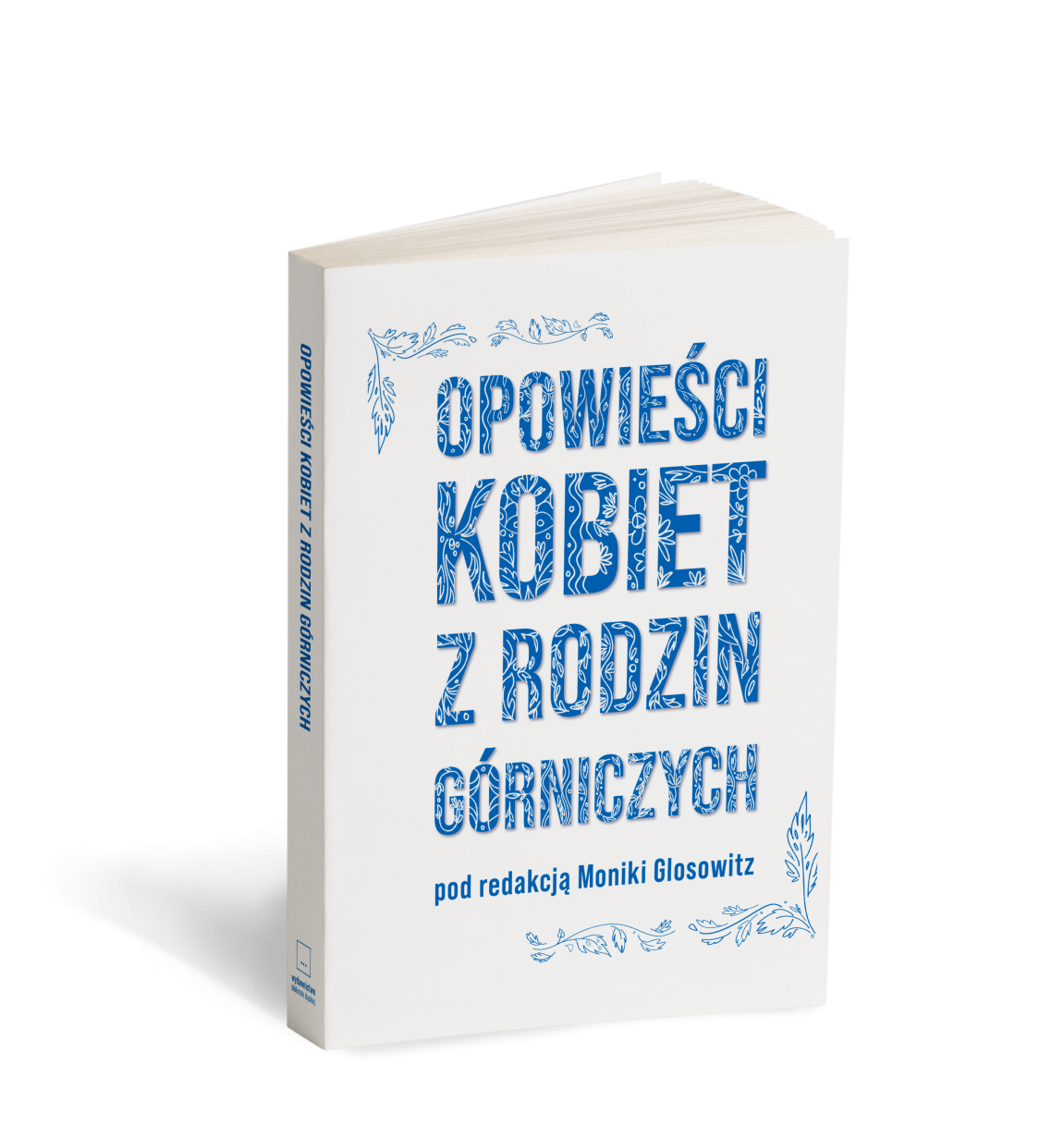
When I was just a kid, I had no clue how our lives as mining families were way different from other folks. I mean, I was mostly hanging out with the kids of miners, so we all felt the same stuff and went through similar ups and downs. When I was getting ready for the photo shoots, I read the stories from the women involved in the project, and I was super hyped. A lot of those tales brought back bits of my own life, plus my mom's and my grandma's stories too. Those memories hit hard... I was back home!
I'm really thankful I got to be part of this project, where finally it’s the women telling their stories about life in the shadow of the mine.
Karolina Jonderko, World Press Photo 2021 winner
This book offers a remarkable journey into the geological and metaphysical realms. The geological aspect is reflected in these biographies being akin to "sketches in charcoal": the mines provided work for generations of men, and when they were gone, women stepped in. Coal was essential for survival, yet it altered the perception of time in two ways. Firstly, as one of the authors notes, before anthracite, the finest type of hard coal, there was lignite, and even earlier, peat. Geological time does not align with human time. It is far too lengthy, boundless, and not suitable for a human lifespan. Secondly, in all these narratives, the daily routine was structured around the rhythm of shifts, with fear woven between the beginning and end of the workday; those taking a job at the mine had to provide the phone number of someone to notify in case of an accident. This pervasive anxiety, the constant listening for the doorbell, cast a shadow of catastrophe over the lives of women. "How many ends of the world have I survived?" reflects one of them. The lives of these coal-biographers are narratives of coping with disaster, including the devastation brought to Silesia by its harsh history, marked by cruel wars and relentless ideological terror. History stitches and crochets these individual fates: time and again, we read about those who did not return from war, and about those who were taken to Russia and also never came back. Silesia is also a tale of women's solitude, but as this book demonstrates, above all, it showcases their bravery in the face of danger.
For them, endings were merely beginnings. They did not give up.
prof. dr hab. Tadeusz Sławek
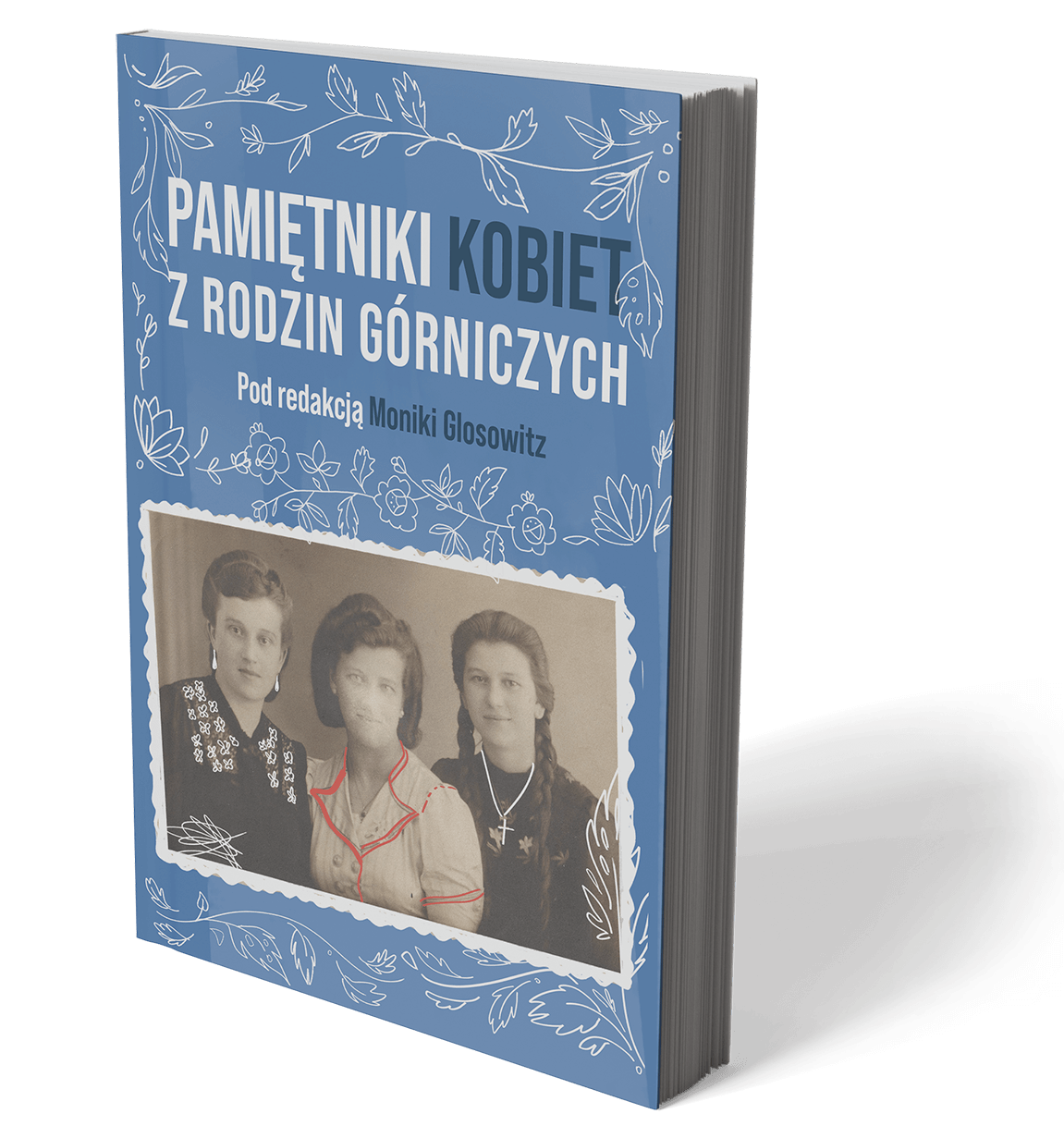
"The Memoirs of Women from Mining Families" serve as a contribution to a collective auto/biography that would fill a gap in the social history of Upper Silesia. Its development was accompanied by the persistent question, "Where are they?" The book comprises 24 stories from women working in the mining industry and/or hailing from mining families. It is the result of two editions of a contest for memoir-style writings and an exhibition documenting the daily lives of families from Czerwionka. Additionally, it features portraits prepared by Karolina Jonderko, the daughter of a miner from Rydułtowy and a winner of the World Press Photo 2021, along with an essayistic introduction by Monika Glosowitz, daughter of an underground electrical engineer from the KWK Knurów mine.
The publication of this book was funded as part of a project carried out by Stowarzyszenie Ruch Rozwoju Gminy Czerwionka-Leszczyny with resources from the Silesian Voivodeship.